Strategy & positioning
Define your audience, sharpen your selling points and give your project a clear position in the market. Build a direction that guides the creative and campaign work.
BRISBANE PROPERTY MARKETING AGENCY
Property marketing.
From vision to launch.
Branding, 3D renders, brochures, websites and campaigns for property developers and project sales teams. Desketing brings strategy, design and digital together to give your development a clear identity—and buyers a clear next step. Based in Brisbane, working across Queensland and Australia.

BUILT AROUND YOUR DEVELOPMENT
A clear story.
At every touchpoint.
Before buyers make an enquiry, they need to understand what makes your development worth considering. We help turn your project’s location, design and lifestyle into a consistent marketing story—from the first advertisement to the website, brochure and sales conversation.
WHAT WE DO
One team.
From brand to campaign.
Bring us in for a specific deliverable or a coordinated launch. We’ll shape the scope around your project stage, priorities and timing.We help turn your project’s location, design and lifestyle into a consistent marketing story—from the first advertisement to the website, brochure and sales conversation.
Define your audience, sharpen your selling points and give your project a clear position in the market. Build a direction that guides the creative and campaign work.
Give your development a distinctive name, identity and visual language. Carry that identity consistently across signage, print and digital.
Help buyers picture what’s coming. Communicate architecture, interiors and lifestyle through visuals that support your project’s story.
Put useful, well-presented information in buyers’ hands. Bring imagery, floor plans and project details together in materials your sales team can use.
Create a clear destination for your campaign. Help buyers explore the development, understand its appeal and register their interest on desktop or mobile.
generationReach prospective buyers through an agreed mix of Google Ads, social media and email marketing. Review the response and refine activity as the campaign develops.
SELECTED PROPERTY WORK
See the work.
Picture the possibilities.
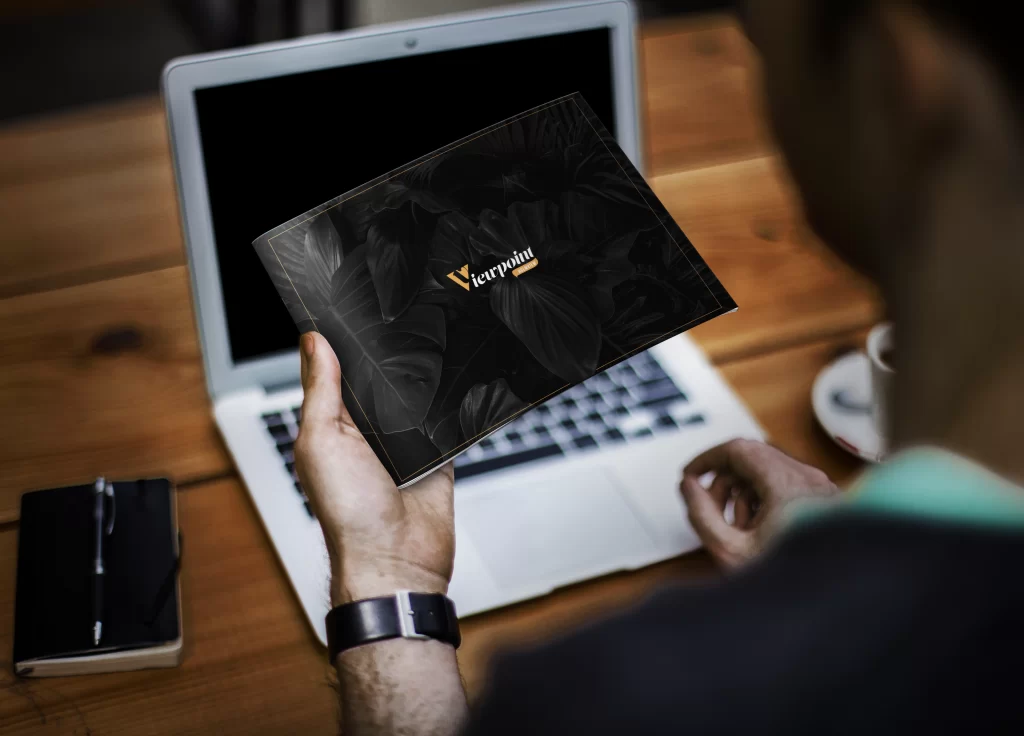 01
01Property Marketing
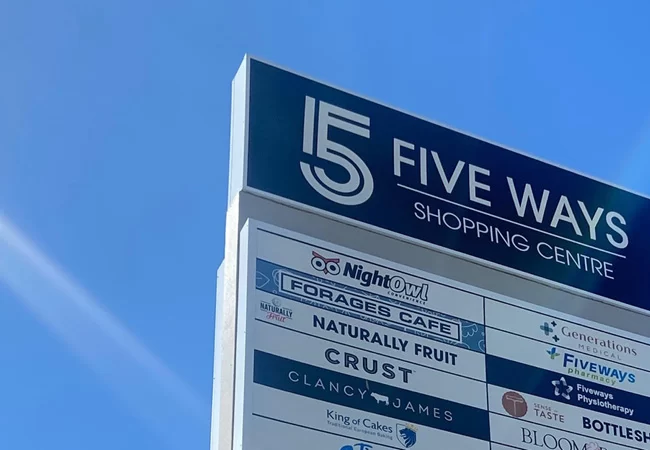 02
02Retail Marketing
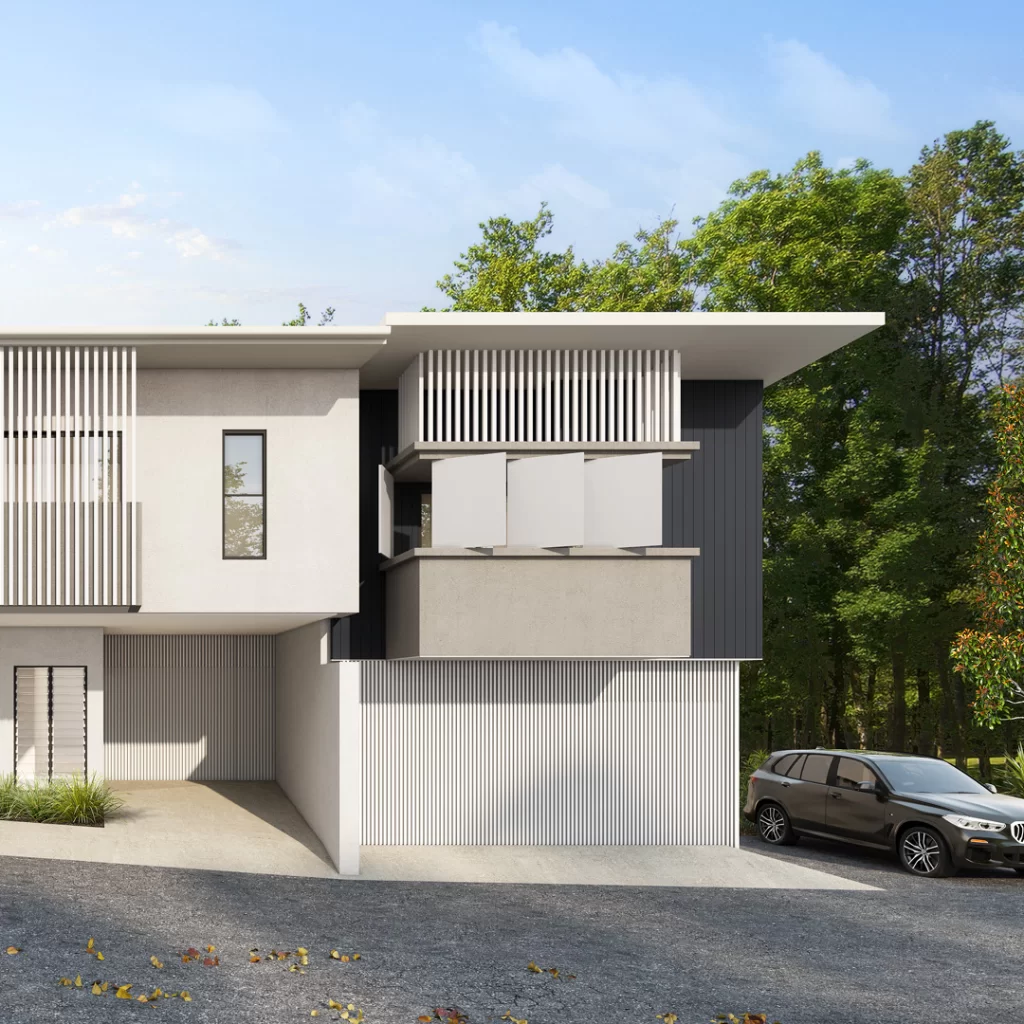 03
03Property Marketing
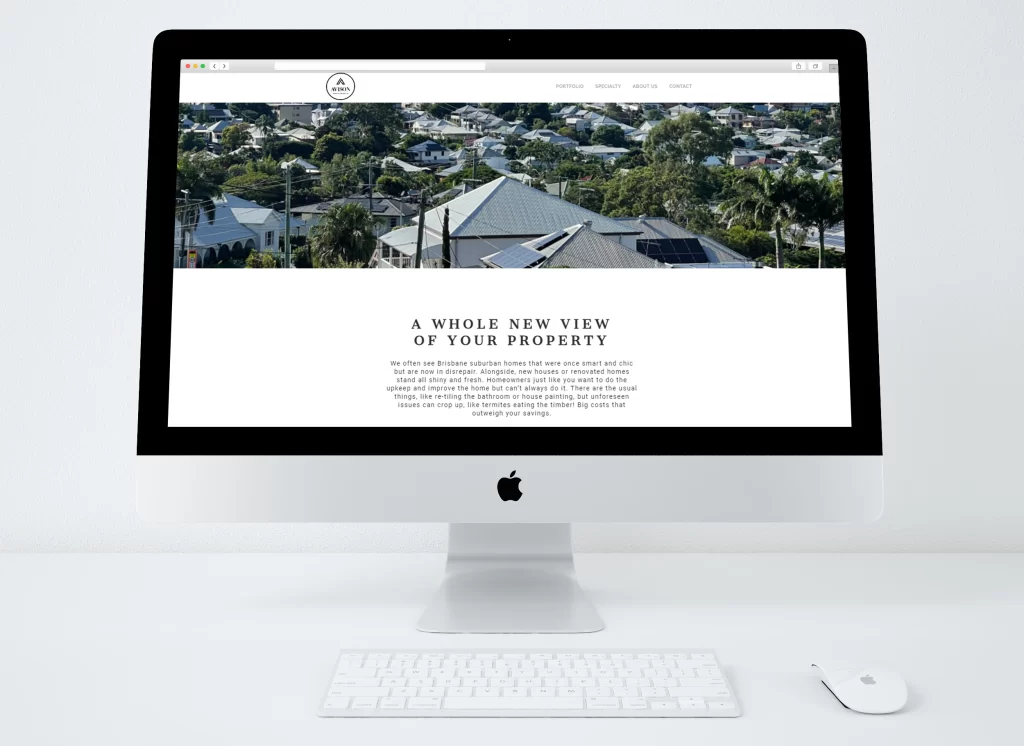 04
04Website Design
 05
05Property Marketing
How we work
Clear thinking.
A coordinated launch.
We discuss your development, target buyers, sales objectives and timing. Together, we identify what makes the project distinctive and where marketing can help.
We develop the agreed branding, visuals, sales materials and digital experience. Your team has a clear scope, feedback process and delivery plan.
For campaign engagements, we put the agreed activity into market, review the response and refine the approach as the project progresses.
BEFORE WE BEGIN
Your project.
Your questions.
Ideally, before the project’s brand and sales materials are finalised. Early planning helps align the positioning, creative work, website and campaign timing. If your development is already on the market, we can discuss what support would be useful now.
We can discuss working within your existing brand and alongside your appointed sales team. Tell us what is already in place and where you need additional creative or marketing support.
The scope can focus on a particular deliverable or a broader launch. We’ll discuss your priorities and recommend the work needed for your current stage.
Desketing is based in Brisbane and works with clients across Queensland and Australia. Include your project location in your enquiry so we can discuss the requirements.
Pricing depends on the deliverables, project complexity and campaign scope. Share your requirements, timing and any indicative budget so we can prepare a tailored proposal. The proposal should clearly distinguish creative and management fees from advertising spend.
LET’S TALK PROPERTY
Tell us what
you’re developing.
Planning a new launch or looking for support with an existing development? Tell us where the project stands and what you need. We’ll reply with a useful next step—usually within one business day.
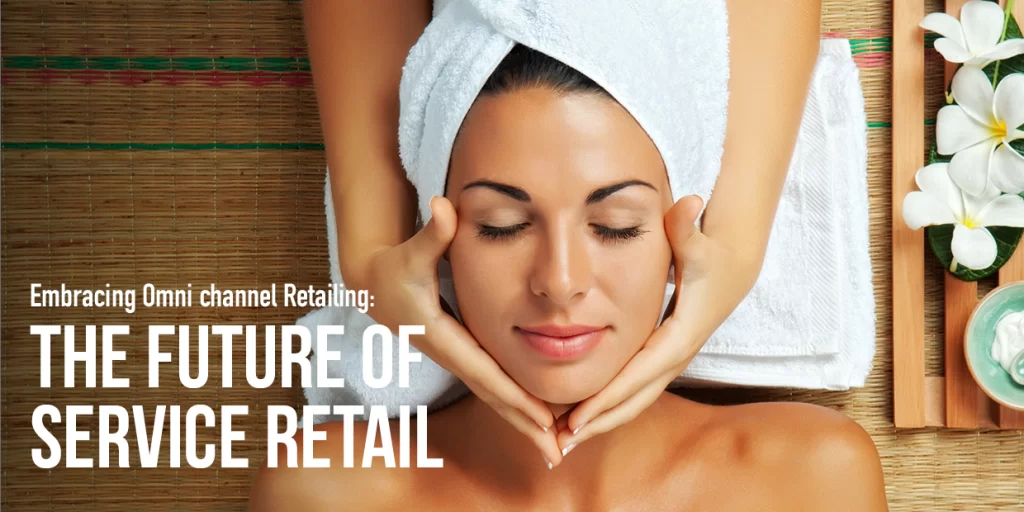
In today’s fast-paced retail environment, the line between online and offline shopping experiences is increasingly blurring. This is where omni channel retailing comes in – a seamless fusion of digital and physical shopping experiences. For service-based businesses like spas, hairdressers, and fitness centres, embracing omni channel strategies, such as BOPIS (Buy Online, Pick Up In-Store) and contactless technologies, is becoming essential.
Traditionally, BOPIS has been a strategy used by product-based retailers. However, service retailers can also leverage this by productising their services. Consider offering gift cards or certificates online that can be redeemed in-store. This not only simplifies the purchasing process but also attracts customers to visit your physical location, enhancing the chance of additional sales or bookings.
The in-store experience is crucial in service retail. It’s about creating an environment that reflects your brand and makes customers feel welcomed and valued. This can range from the interior design of your space to the quality of customer interactions. A well-designed, inviting space can significantly enhance customer satisfaction and loyalty.
Integrate Online and Offline Data: Ensure that your online platforms and in-store systems are synchronised. This helps in understanding customer preferences and tailoring services accordingly.
Mobile Integration: Develop a mobile-friendly booking system for your services, allowing customers to book appointments easily from their phones.
Personalised Marketing: Use customer data to send personalised offers and recommendations via email or text.
Train Staff for Omni channel: Ensure your staff is trained to handle both online and in-store customer interactions seamlessly.
Leverage Social Media: Use social media platforms not just for marketing, but also for customer service and engagement.
At Desketing, we understand the intricacies of omni channel retailing, especially in the service sector. Our expertise lies in creating integrated marketing strategies that resonate with your brand and meet your customers’ needs. From website design to in-store branding and digital marketing, we offer comprehensive solutions to elevate your retail business.
Interested in exploring omni channel strategies for your service retail business? Contact Desketing today to discover how we can help transform your customer experience and increase sales.
As we approach 2024, the Australian retail landscape is poised for significant evolution, blending physical and online experiences more seamlessly than ever before. Here’s what retailers and consumers alike can expect:
While online shopping continues to grow, physical stores remain vital, accounting for a significant share of total sales. The key to success lies in convenience-driven strategies, like buy online, pick-up in-store (BOPIS) options, and contactless shopping technologies. The rise of dark stores for urban fulfillment and integrated delivery services through strategic partnerships are trends to watch closely.
Despite challenges, the Australian economy has shown resilience. A shift in consumer spending has been noted, with a focus on essential items over discretionary spending due to increased living costs and interest rates. Retailers have adapted by offering discounts, especially in non-food sectors. With expected wage growth and population increases, the retail sector is gearing up for gradual growth in 2024.
High household debt levels are shaping spending patterns. With interest rates higher than in the previous decade, consumers are becoming more budget-conscious. This trend is likely to continue, with a focus on reducing debt-servicing costs. However, the forecasted slight decrease in policy rates by the end of 2024 may offer some relief.
In 2024, Australian retailers must adapt to a market that demands a balance of online and physical retail experiences, focusing on convenience and efficiency. Economic factors will continue to influence consumer behaviour, prompting a cautious approach to spending. Retailers must respond with innovative omni-channel strategies and a commitment to providing value through discounts and convenience.
As we navigate these changes, Desketing is here to help retailers adapt and thrive. Our expertise in omni-channel marketing strategies and our deep understanding of the retail landscape position us to support your business in these evolving times.
Ready to transform your retail strategy for 2024 and beyond? Contact Desketing today and let us guide you through the future of retail.
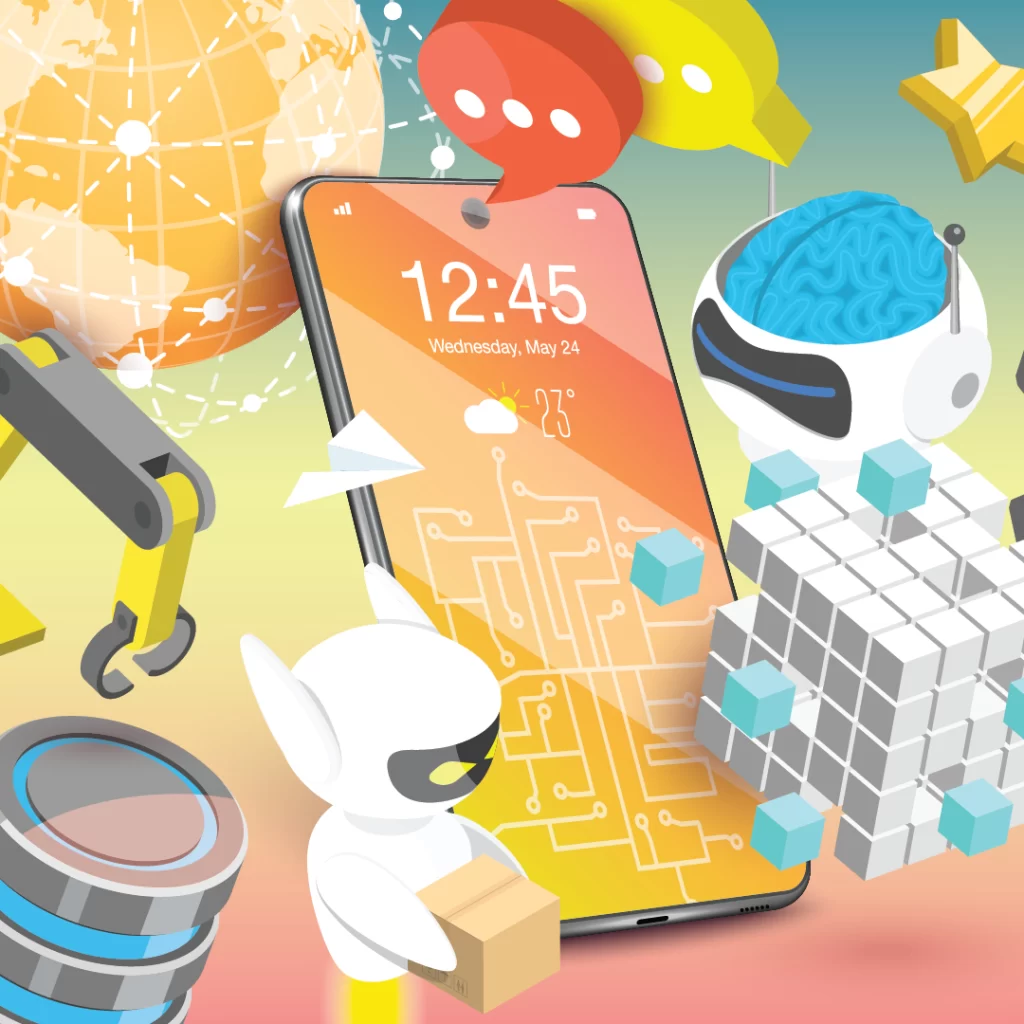
As technology continues to advance, the use of artificial intelligence (AI) in marketing and design is becoming more prevalent. At Desketing, we understand the convenience these tools bring us and have integrated the latest AI tools, including ChatGPT, into our workflow. Here’s how AI is transforming marketing and design, and the benefits it brings for our clients.
AI tools can help automate repetitive tasks and provide quick solutions to complex problems. For instance, ChatGPT can assist in generating content ideas, automating social media posting and providing instant responses to customer queries, thus saving time for marketers and improving response times for customers.
I can help to tailor the user experience and target the right audience at the right time. For example, through the use of predictive analytics, it can identify patterns and behaviours of users, and create personalised campaigns and recommendations for individual clients.
AI tools can help improve the accuracy and efficiency of design work. For example, they can aid in the creation of logos, designs, and layouts, making the design process faster and more efficient. This leads to cost savings for clients, as the process becomes more streamlined and less time-consuming.
In addition to time savings, AI tools can help reduce costs for clients. By automating repetitive tasks and streamlining the design process, businesses can reduce the amount of time and resources needed to complete projects. This can result in cost savings for clients, allowing them to allocate resources more effectively.
At Desketing, we are committed to staying ahead of the curve and utilising the latest AI tools for our clients. By doing so, we’re able to provide more time-saving, personalised, and efficient marketing and design solutions, all while reducing costs. Contact us now to see how our AI-powered services can benefit your business.
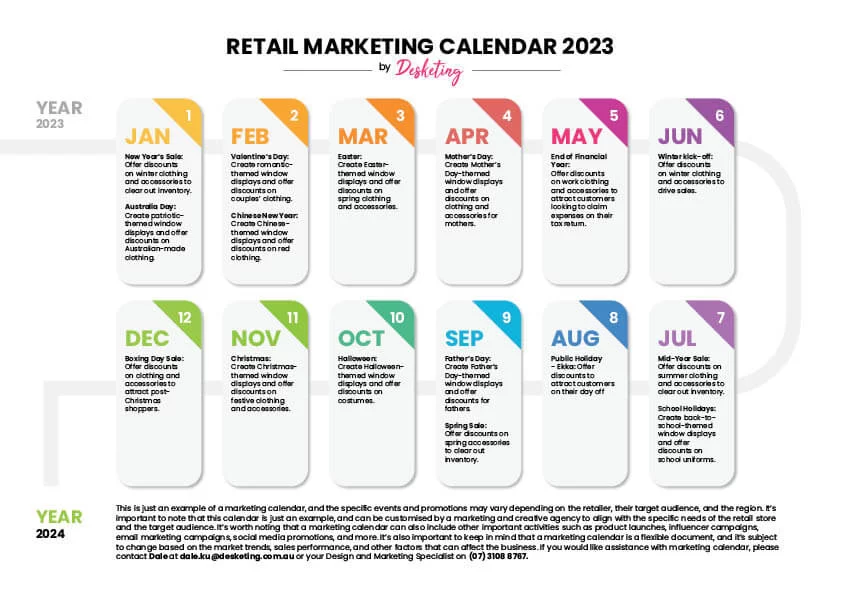
Retail marketing in Australia is a highly competitive and dynamic field, with retailers constantly looking for ways to stand out and drive sales. One important tool in the retail marketer’s arsenal is the marketing calendar. This is a schedule of planned marketing activities and promotions that aligns with key retail events and holidays throughout the year.
In Australia, key retail events and holidays include Valentine’s Day, Easter, Mother’s Day, Father’s Day, and the Christmas period. These events present opportunities for retailers to create special promotions, sales and events to drive foot traffic and sales.
Marketing calendars can also be used to align promotional campaigns with other key events and holidays that may not be directly related to retail, such as public holidays, national events, and school holidays. These events can also drive consumer behavior and can be leveraged to boost sales.
Error: Contact form not found.
Need more help with developing an effective marketing plan? Our Brisbane team of design and marketing experts are experienced in developing tailored, measurable results-driven campaigns. Check out our Masign marketing packages to learn more!
In order to develop and execute a successful marketing calendar, retailers can benefit from working with a marketing and creative agency. These agencies can provide a range of services, including:
By working with a marketing and creative agency, retailers can ensure that their marketing efforts are aligned with key retail events and holidays, and are tailored to the specific needs of their target audience. This can help retailers to maximise their sales, increase their market share, and achieve their business goals.
In conclusion, a marketing calendar is a powerful tool for retailers looking to drive sales and increase their market share. By aligning marketing efforts with key retail events and holidays, retailers can tap into consumer behaviour and drive sales. Retailers in Australia can benefit from working with a marketing and creative agency to develop and execute a successful marketing calendar that aligns with their target audience, and helps them to achieve their business goals.
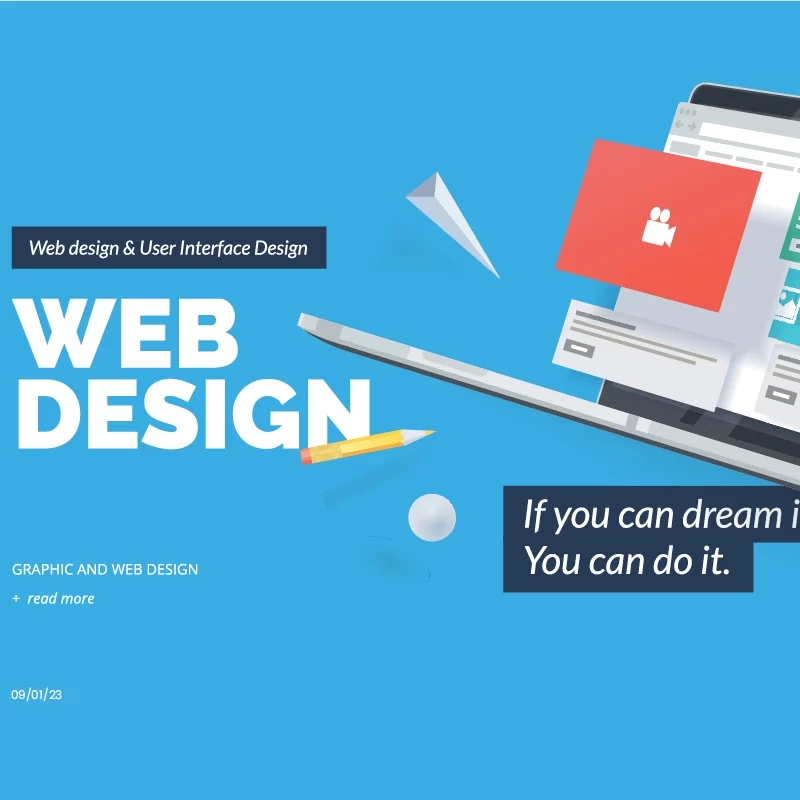
Here are the general steps for designing (or re/design) a website. Must read before you start any web development.
Define the purpose and target audience: It is important to have a clear understanding of the goals of the website and who the primary users will be. This will help guide the design process and ensure that the website is effective at meeting its objectives.
Conduct a competitor analysis: By reviewing other websites in the same industry or niche, you can get a sense of what is already being done and identify any opportunities or gaps that you can fill with your own website.
Develop a content strategy: A content strategy involves creating a hierarchy of information and determining what content will be included on the website. This helps to ensure that the website is organized and easy for users to navigate.
Create a wireframe or prototype: A wireframe is a basic outline of the website’s layout and structure. It can be created using a wire-framing tool or by sketching it out on paper. A wireframe helps to plan out the navigation and organisation of content on the website.
Design the visual elements: This includes choosing a color scheme, typography, and graphic elements for the website. The design should be visually appealing and consistent with the branding of the company or organisation.
Build the website: This can be done using a content management system (CMS) such as WordPress, or by writing HTML and CSS code by hand.
Test the website: It is important to test the website to ensure that it is functioning properly and that the user experience is seamless across different devices and browsers. This may involve testing the website on various devices and browsers, as well as conducting user testing to gather feedback.
Launch the website: Once the website is complete and has been tested, it is ready to be launched and made available to the public.
Ongoing maintenance: It is important to regularly update and maintain the website to keep it current and address any issues that arise. This may include adding new content, fixing any bugs or technical issues, and making design or functionality updates as needed.
Contact your Desketing (Design and marketing) Specialist for more information about web design or click here.
Are you one of the medical practices that keep lusting after more referrals and dropping prices only to boost sales and gain patients? Have you ever wondered if there are other ways to advance your medical business in the long term?
Look no further – here are five fresh tips to help you grow your medical healthcare business.
The cornerstone of any successful business – is a distinctive and recognisable branding that stands out from your competitors. A good brand identity is the most immediate way you have of expressing your distinctiveness. It tells your customers how different you are (see examples here). Good branding of a comfy and stress-free clinic gives you the power to identify yourself as the unique shape that stands the test of time and instils trust in customers’ minds.
Referrals from other healthcare professionals are the most powerful marketing tool in the medical industry. In no doubt, it helps acquire potential customers and further strengthen the brand image. Therefore, it is vital to building good connections with the healthcare professionals in your community. Attending medical and healthcare networking events helps put your reputation out in the marketing, and even so, hosting your own educational healthcare networking nights allows the building of quality connections with other professionals.
An impression of medical practice is firstly represented by a mature booking system. Establishing an all-in-one medical booking system that integrates into your website or clinic software can be translated into a seamless online experience for patients looking to answer a question or book an appointment. A mature internal medical system reduces the potential frustration of booking, acts as a powerful communication channel, and effectively shapes patient satisfaction.
Your website is the interface of your whole business. The patient journey does not stop at the booking system – it carries on to a well-designed, premium website optimised for conversion, which helps communicate your professional knowledge to the community. Your unique insights on healthcare topics can be showcased in the forms of webinars, case studies, blog posts, videos, infographics, and patient stories on a tailored website (see examples here).
An image of a doctor is worth a thousand words. Content is key in medical marketing. Not just any content – visual and graphic storytelling is king. Professional photography and videography convey the message of trustworthiness. Nothing says more than a real-life photo or video of your specialists and experts; most importantly, a direct demonstration is a compelling way to connect with customers on a deeply human level.
Times have changed – in a big way. In the past, patients had little choice in which medical practices they visited. Yet, as all have realised, the balance of influence in the healthcare brand-consumer relationship has swung to the consumer. Fortunately, there is no shortage of ways to deliver the best medical marketing strategy; therefore, it is essential to remain open to changes to stand out.
Desketing medical marketing provides all-in-one solution to your medical business.
Contact us for more information here.
“Brand” (n.) – the kind, grade, ownership, or make of a product or service.
Branding is everything, yes, EVERYTHING. From your tagline, your messaging, your signage, to the interior design of your office, your employees’ uniform, and your customer service – they all represent a brand identity that embodies the core value of your business. Essentially, your brand gives out the first and the most impactful impression.
Old-fashion property branding is about selling the PRODUCT. Yet, due to the increase in dynamic needs from customers, property branding now is about selling the LIFESTYLE. It is about promoting what home buyers are dreaming about and showcasing how enjoyable it is to live in the property.
If you are hesitating to put the effort on brand building, we’re here to convince you:
When you think about it – branding are perceptions, they are emotive. A positive and strong branding strategy introduces the framing effect to provide positive connotations to the brand image. Specially in property development, you are selling a lifestyle along with a home. When people engage with the core values, they are more likely to pay a premium price for it.
A good property brand communicates a clear sense of the core values that could resonate with the right clients. The brand resonance built from clear brand identity gives customers the correct perception of the brand. Customers know that this brand fulfils their needs, and thus, the trust and loyalty are founded. Brand-loyal buyers are more likely to recommend your service to others as well.
Without a doubt, the sales and profits still depend heavily on the quality of the product; Yet, marketing matters, and mostly important, consistency in marketing sells. A well-established property brand tells the whole story and connects every customer touchpoint. From brand awareness to purchase decision, by establishing a consistent brand identity and personality around your property, it easily creates an emotional connection between you and your customers.
Deciding a suitable tagline and designing a memorable logo takes huge amount of effort; However, the branding is influential in a long term. A good brand won’t develop overnight, but you can start working on it immediately!
Don’t know where to start? Desketing provides comprehensive property branding and marketing services from designing branding, brochure, marketing strategy to website development and constructing 3D Renders to showcase your property.
We are here to get you started NOW.

As brand authenticity and transparency become ever more important to a business’s success, we have seen a remarkable surge in social enterprise and ethically-charged brands. In this article, we discuss ethical marketing and take a look at how 3 Australian brands are working hard to make a difference.
Ethical marketing refers to the process by which companies market their goods and services by focusing not only on how their products benefit customers, but also how they benefit socially responsible or environmental causes.
Social enterprises are businesses that sell products and services to intentionally tackle social problems, such as improving communities, providing access to employment and training, or helping the environment.
From a marketing standpoint, these ethical and social enterprise brands not only communicate the benefits of the product or service they are offering, but also communicate how they are contributing to improving society.
The following examples show the principles of ethical marketing in action, as well as why championing good causes is so effective for today’s brands.
TradeMutt is a social impact workwear that produce funky, eye catching workwear designed to start conversations about mental health among the blue collar community – helping make an invisible issue impossible to ignore.
Through the sale of their products, they help fund free and unlimited professional mental health support for tradies, truckies and blue collar workers.
Join us as we catch up with Ed and Dan from Trademutt at our next networking event.
Thankyou produces a range of fast moving consumer goods. After expenses, Thankyou distributes funds to life-changing food, water and health and sanitation programs around the world.
Who Gives a Crap make all of their products with environmentally friendly materials and donate 50% of profits to help build toilets for those in need.
During this networking event, you’ll have the opportunity to learn key insights and strategies for successful community building and tactics for driving engagement.
Ed and Dan are co-founders of Trademutt – a booming workwear brand with a conscience. Building a huge following through their conversations around mental health – These guys have a wealth of knowledge about starting conversations and engaging with their audience.
Tune in to hear their insights into audience building and the secrets to reaching and engaging with your target market.
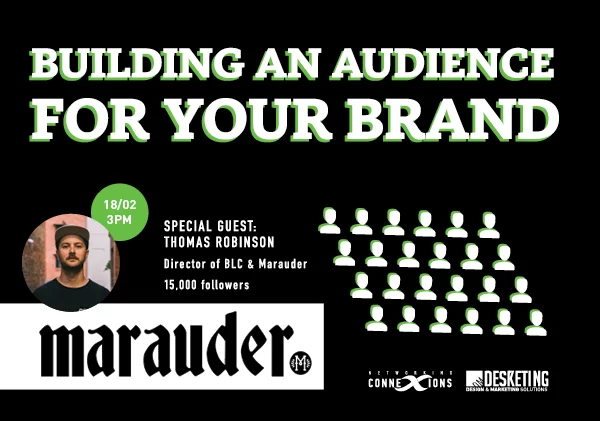
For businesses of all sizes, building an audience base is one of the most crucial aspects of business operations. However, many businesses find it to be one of the most challenging. Although you might have a great product or service, it can still be difficult to connect with people who are interested in what you have to offer.
We caught up with Thomas Robinson, brand manager for Marauder and BLC Apparel – two lifestyle brands with an impressive online following, to develop our top tips for business owners looking to expand their audience.
The first and arguably most important step to building a brand is to define your audience. Thoroughly evaluate your product and/or services and identify who would benefit from using your brand.
You can help define an audience for your product or service through demographic segments like age, gender, location – or through social aspects like lifestyle, interests and behaviours.
Too many people often fail by trying to be too diverse. They often strive to engage everyone and will bend over backwards to try to make everyone happy.
The target audience are those individuals who are most likely to buy products or services. Don’t try to over-reach by engaging other types of consumers.
“Everything we promote and market with our brand, we do and live ourselves. I’ll be 40 and still skating and listening to punk if my body lets me, and for the people that support our brand I know it runs just as deep with a majority of them.”
The tone of your brand’s messaging should match the tone of your audience. It’s the like-mindedness and connection between your brand and your audience’s lifestyle that draws in consumers. Consistency with your business’s offering is key – if your audience is focused on a specific niche category, you don’t want to stray from it. Otherwise, you could lose some of the audience you’ve already collected.
“Our inspiration comes from the lifestyle, I think the brand is a co-product of Joel and My pure desire to keep pushing things as far we can, always thinking ‘how can we do this better?’ Whether it’s a design or direction for collaborations or revisiting past ideas and bringing new life to them, most of all we are fans of everything we do -so we are constantly on the lookout for that spark that inspires us and bring it into our space and language.”
Examine the priorities, engagement habits, buying behaviours, favoured pricing, social media activity, and other details of your current audience for commonalities. Then, use this data to inform or refresh your outreach.
Consistently trying new tactics and fresh methods based on the data you gather about your existing audience will help you maintain a steady stream of new connections. The key to success is to use what you know, build on what you learn, and always be on the lookout for ways to expand.
“We are digging deeper into what we are personally and what makes us interested in a brand and then putting it to a few customers we have great relationships with and getting real time feedback, that’s the great thing about social media it’s an instant yay or nay.”
During this networking event, you’ll have the opportunity to learn and discuss the key strategies for successful audience building and tactics for driving engagement with your target market.
Special Guest: Thomas Robinson
Thomas has founded a number of popular lifestyle brands including Marauder Clothing and BLC Goods, with an engaged audience of over 15,000 followers. From humble beginnings of boutique e-commerce offerings, his brands are now stocked nationally in large retail chains.
Tune in to hear his insights into audience building and the secrets to reaching and engaging with your target market.
You need to utilise as many channels as possible if you want to reach more of a consumer-base. By using a diverse range of channels, you can broaden the audience you reach. It is important to consider what channels are the most relevant to your audience. Common channels include:
Creating consistency across channels
When all channels work together to create a unified message, voice, and a brand for your company, this is known as omnichannel marketing.
Campaigns using 3 or more channels (for example, email, banner ads, and social media) have a 90% higher retention rate than single-channel efforts.
Omnichannel marketing ensures that your potential and current audiences receive 1 unified, consistent message that reflects how they have interacted with your brand.
“We have great success lately with having boots on the ground, being out and about doing events or just hanging out. Our target customers are at gigs or skating and we just happen to be there partaking in person chatting to them. People are in their own element and don’t feel like we are marketing to them, we just let them know we run this brand and give them a history run down of what it is about, and oddly enough we have been very lucky with customers purchasing that same day.”
One of the best ways to build an audience is to make sure you’re creating great content. Whether you’re creating YouTube videos or writing blog posts, it’s all about creating content relevant to the brand and giving the audience information they want and need. This material should leave your audience reader fulfilled in some fashion.
Giving your audience something to read, use or watch assures them that you are a reliable brand that will meet their consumer needs.
“I feel like anything transparent these days is engaging and stats also prove it. That avenue shows humility behind a company and my focus this year is to really lean on that and bring people more behind the scenes with all the cool stuff we have happening. People like to feel they are part of the process and once the product launches they feel more emotionally invested because they have seen it from the start.”
There are likely to be other brands that target your exact audience with products or services that don’t compete with what you offer. Consider sharing your marketing messages with their audience, and vice versa.
Partnerships, co-sponsored events, and other collaborations can lift brand awareness and create positive associations with an existing product that your audience is already using. Engaging with influencers can be a great way to establish a connection and get your brand in front of a new audience.
“We pick some influencers with if they have heard about the brand and care enough to treat it like something than just a transaction, that’s why we use our friends as models because we know they are going to do all they can to make sure everything turns out epic. But we have seen great social growth with some influencers, so we will be using more in the future also.”